Skin Rejuvenation in Turkey: Prices, Treatments, and What Nobody Tells You (2026)
Skin rejuvenation in Turkey from €200. PRP, laser resurfacing, chemical peels, microneedling. Real prices March 2026. Combine with surgery. Sante Clinic.
Table of Contents
Get free quote
How Much Does Skin Rejuvenation Cost in Turkey in 2026?
Skin rejuvenation treatments in Istanbul cost €200–1,500 as of March 2026, depending on the treatment type. PRP (platelet-rich plasma) therapy starts at €200 per session. Fractional CO2 laser resurfacing runs €500–1,500. Full-face chemical peels cost €150–400. In the UK, the same treatments cost 2–3x more.
rnLike dental cleanings and whitening, most skin rejuvenation treatments aren’t worth a dedicated trip to Istanbul. The savings on a single PRP session are €200–300. But if you’re already coming for a facelift, neck lift, or other procedure, adding skin treatments during your recovery stay makes perfect sense – and your skin heals alongside your surgical recovery.
rn| Treatment | rnTurkey (2026) | rnUK | rnGermany | rn
|---|---|---|---|
| PRP Facial (per session) | rn€200–350 | rn€400–700 | rn€350–600 | rn
| Fractional CO2 Laser | rn€500–1,500 | rn€1,000–3,000 | rn€800–2,500 | rn
| Chemical Peel (medium) | rn€150–400 | rn€300–800 | rn€250–600 | rn
| Microneedling + PRP | rn€250–450 | rn€500–900 | rn€400–750 | rn
| Hydrafacial | rn€100–200 | rn€200–400 | rn€150–350 | rn
What Skin Rejuvenation Treatments Are Available?
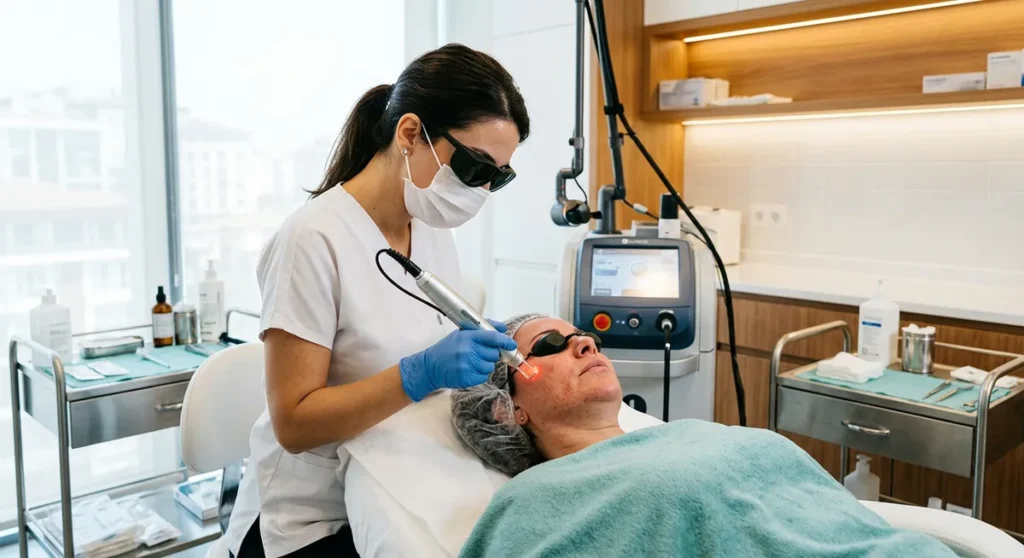
Five main categories of non-surgical skin treatments are offered at our partner clinics in Istanbul.
rnPRP (Platelet-Rich Plasma) therapy. Your blood is drawn, platelets are concentrated in a centrifuge, and the growth factor-rich plasma is injected into your skin or applied with microneedling. Stimulates collagen production and improves skin texture. Results develop over 2–4 weeks. Best done in a series of 3 sessions, 4 weeks apart.
rnFractional CO2 laser resurfacing. The most aggressive non-surgical option. The laser creates micro-columns of damage in the skin, triggering intense collagen remodeling. Effective for deep wrinkles, acne scars, sun damage, and uneven texture. Downtime: 5–7 days of redness and peeling. Results: significant improvement visible at 4–6 weeks, continues improving for 6 months.
rnChemical peels. Superficial (glycolic, salicylic) for mild texture issues with no downtime. Medium-depth (TCA) for sun damage, pigmentation, and fine lines – 3–5 days of peeling. Deep peels (phenol) for severe damage – rarely needed, significant downtime.
rnMicroneedling. Fine needles create controlled micro-injuries to stimulate collagen. Often combined with PRP for enhanced results (“vampire facial”). Minimal downtime (1–2 days of redness). Good for fine lines, pore size, and early skin aging.
rnHydrafacial and medical-grade facials. Cleansing, exfoliation, extraction, and hydration in one session. No downtime. Provides an immediate glow but doesn’t address structural skin aging. We recommend this as a complementary treatment, not a standalone solution.
When Does Skin Rejuvenation Make Sense as Part of a Trip?
The best time to add skin rejuvenation to your Istanbul visit:
rnBefore surgery. PRP or microneedling 2–3 weeks before a facelift or other facial surgery primes the skin and may improve healing. Some studies suggest PRP accelerates post-surgical recovery.
rnDuring recovery. Hydrafacials or light chemical peels can be done during your surgical recovery stay. You’re already in Istanbul, already healing – adding a skin treatment takes 30–60 minutes.
rnAfter surgery (return visit). If you return for a follow-up or a second procedure, a laser session or medium peel at that point can enhance your surgical results by addressing skin texture and tone that surgery doesn’t change.
rnStandalone visit. For patients who want laser resurfacing or a course of PRP without surgery. This makes sense if you’re combining it with laser hair removal or dental work during the same trip.
What Results Can I Realistically Expect?
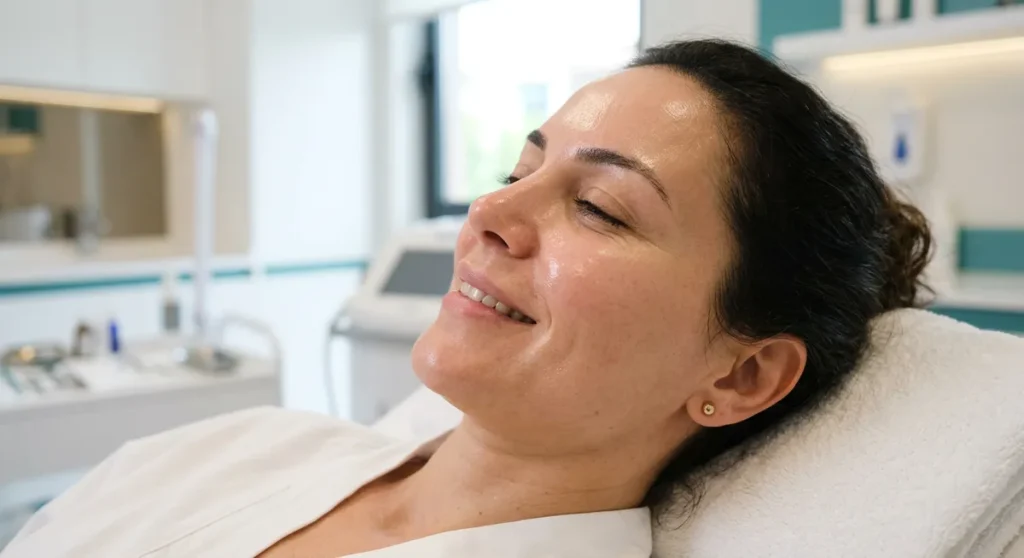
Let me be honest: non-surgical treatments improve skin quality, but they don’t replace surgery. If you have significant sagging, no amount of PRP or laser will give you the same result as a facelift. And if someone tells you otherwise, they’re selling you a treatment, not a solution.
rnWhat skin rejuvenation does well: improves texture, reduces fine lines, evens out pigmentation, tightens pores, and gives skin a healthier appearance. These are genuine improvements that complement surgical results.
rnA single PRP session won’t transform your skin. A series of 3 sessions, combined with good skincare (retinoids, vitamin C, sunscreen), produces noticeable improvement. Laser resurfacing is more dramatic – one session can take years off your skin’s appearance – but the downtime is real.
What Real Patients Ask Us (FAQ)
“Which treatment is best for my skin?”rnIt depends on your concerns. Fine lines and dull skin: PRP + microneedling. Deep wrinkles or acne scars: fractional CO2 laser. Sun damage and pigmentation: medium chemical peel. Your dermatologist in Istanbul will assess your skin and recommend the most effective approach.
rn“How many sessions do I need?”rnPRP: 3 sessions, 4 weeks apart. Microneedling: 3–4 sessions. Laser: usually 1 session for significant improvement. Chemical peels: depends on depth and concern.
rn“Is there downtime?”rnPRP/microneedling: 1–2 days of redness. Chemical peel: 3–7 days of peeling. Laser: 5–7 days of redness and flaking. Hydrafacial: none.
rn“Can I do these at home instead?”rnHome devices (dermarollers, LED masks) provide mild stimulation but don’t compare to professional treatments. Medical-grade concentrations, professional-grade lasers, and clinical PRP preparation aren’t available over the counter.
Ready to Get a Real Quote?
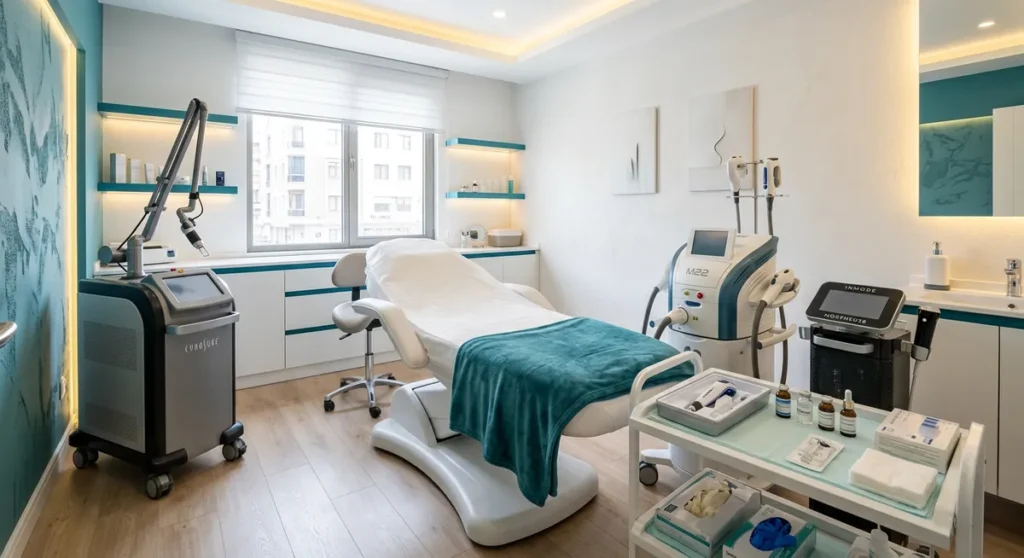
Tell us your skin concerns and whether you’re combining with other procedures. We’ll recommend the right treatments and build them into your trip schedule.
rnWhatsApp: +90 546 229 38 34
rnOr fill out the contact form.
Combine Skin Rejuvenation with Dental Care in Istanbul
Many of our skin rejuvenation patients also book dental treatments during the same trip. Combining aesthetic skincare with porcelain veneers, teeth whitening, or dental implants creates a complete “look refresh” in one Istanbul visit.
nOur dental clinic in Esenyurt works alongside the aesthetic clinic, with coordinated scheduling so you can complete both treatments in 5-7 days.
nPopular combinations:
n- n
- Skin rejuvenation + Hollywood Smile (€3,400) — full facial refresh n
- Skin rejuvenation + teeth whitening (€400 per session) — quick aesthetic upgrade n
- Skin rejuvenation + dental veneers (from €240 per tooth) n
💬 WhatsApp +90 546 229 3834 for a combined package quote — free consultation in 24 hours.
Combining Laser, Chemical Peels, and RF for Optimal Results
The most sophisticated skin rejuvenation outcomes are rarely achieved through a single modality. The skin ages through several simultaneous mechanisms — epidermal thinning, collagen fragmentation, pigmentation accumulation, and loss of elasticity — and different technologies address these mechanisms at different depths. Designing a combination protocol requires matching each treatment to the specific concern it addresses most effectively.
Fractional laser resurfacing creates controlled micro-columns of thermal injury in the dermis, stimulating new collagen and elastin production. This makes it particularly effective for fine lines, acne scarring, and skin texture irregularities. Chemical peels act primarily on the epidermis through controlled chemical exfoliation — medium-depth peels using trichloroacetic acid (TCA) target superficial pigmentation and uneven skin tone. Radiofrequency (RF) technology — including RF microneedling — works through heating the deep dermis and subdermis. Unlike laser, RF energy is colour-blind, making it suitable across all skin phototypes without the risk of post-inflammatory hyperpigmentation that can complicate laser treatments in darker skin.
A well-designed combination might sequence RF microneedling sessions to build foundational collagen remodelling, followed by a medium-depth chemical peel to address surface pigmentation, with periodic non-ablative laser sessions for maintenance. At Sante Clinic, combination protocols are constructed individually following a thorough Fitzpatrick skin typing assessment.
Which Skin Types Benefit Most — and How to Approach Each Safely
Skin type — assessed using the Fitzpatrick classification scale from Type I (very fair) to Type VI (deeply pigmented) — is a foundational variable in selecting appropriate rejuvenation treatments. Patients with Fitzpatrick Types I–III typically tolerate the widest range of energy-based treatments, including ablative laser resurfacing, with the lowest risk of complications.
Patients with Fitzpatrick Types IV–VI require a more cautious approach. RF microneedling, ultrasound-based treatments (HIFU), and non-ablative fractional lasers using longer wavelengths are safer alternatives that achieve meaningful dermal remodelling without epidermal thermal disruption. Superficial chemical peels using lactic acid or low-concentration glycolic acid are well-tolerated and can be used preparatory to more intensive treatments.
Regardless of skin type, all patients benefit from a period of preconditioning before treatment. A four to six week pre-treatment regimen including topical retinoids, a broad-spectrum SPF50+ sunscreen, and a brightening agent such as niacinamide primes the skin for optimal response and reduces the risk of adverse pigmentary reactions.
Building a Maintenance Schedule for Lasting Results
Skin rejuvenation treatments produce their most visible results in the months following each session as collagen remodelling progresses, but maintaining those results requires a structured follow-up schedule. A sustainable annual maintenance schedule for most patients includes one to two RF microneedling sessions per year, one chemical peel in the autumn when UV exposure is lower, and periodic non-ablative laser toning sessions.
Between clinic visits, a medical-grade home-care regimen — anchored by a retinoid, antioxidant serum, peptide moisturiser, and daily SPF — sustains the cellular-level improvements initiated by in-clinic treatments. Patients who invest in consistent maintenance typically find that each successive treatment cycle achieves results with lower treatment intensity, as a foundation of healthy, well-structured skin responds more efficiently to stimulation. At Sante Clinic, an annual review appointment is built into every patient’s programme, allowing the clinical team to reassess skin condition and update the protocol accordingly.
Quick answers to questions
you may have
Your Most Important Questions, Answeredn
How do I know which treatment is right for my skin?
The best treatment depends on your specific concerns, skin type, downtime tolerance, and budget. During consultation with facial analysis, your provider will analyze your skin using advanced imaging, discuss your goals, and recommend appropriate options. Often, combination treatments work better than any single modality. Can be coordinated with dental work timing for efficiency.
Is skin rejuvenation in Turkey safe for all skin types?
Yes, when performed by experienced providers with appropriate technology. Turkish clinics treat diverse populations including Middle Eastern and Mediterranean skin types prone to pigmentation issues. They have extensive experience modifying protocols for darker skin. Important consideration if also planning laser hair removal or hair transplant.
How many treatments will I need?
This varies greatly depending on the concern and treatment chosen. Aggressive CO2 resurfacing might need just one session, while IPL for sun damage typically requires 3-5 treatments. Maintenance treatments help preserve results. Perfect to schedule during orthodontic treatment visits or dental implant healing phases.
Can I combine skin rejuvenation with other cosmetic procedures?
Absolutely! Many patients combine skin treatments with surgery for detailed rejuvenation. For example, facelift with CO2 laser, or rhinoplasty with acne scar treatment. Some combinations are done simultaneously, others staged. Turkish clinics excel at creating full treatment plans. Popular combinations include teeth whitening and aesthetic dentistry for complete transformation.
How long do results last?
Results duration varies by treatment and lifestyle factors. CO2 resurfacing results can last 5-10 years with good sun protection. Chemical peels might need repeating every few months. PRP results typically last 12-18 months. Maintenance treatments and excellent skincare extend results significantly. Coordinate maintenance with dental cleanings for regular upkeep.
What's the recovery really like?
Recovery varies dramatically between treatments. IPL has virtually no downtime – slight redness for hours. Medium chemical peels involve 5-7 days of peeling. CO2 laser requires 7-10 days of intensive healing. Perfect opportunity for dental consultations or hair loss treatment assessments. Most patients say recovery was easier than expected with proper care.
Can I have skin treatments if planning surgery soon?
Timing depends on the specific treatments and surgery planned. Generally, skin should be fully healed before surgery – usually 4-6 weeks for aggressive treatments. However, gentle treatments can be done closer to surgery. Some treatments like PRP actually enhance surgical healing. Discuss with your facelift surgeon or aesthetic team for optimal scheduling.
Will insurance cover medical skin treatments?
Most skin rejuvenation treatments are considered cosmetic and aren’t covered by insurance. However, treatments for acne scarring, precancerous lesions, or certain medical conditions might have coverage. The significant cost savings in Turkey often exceed what insurance would cover anyway. Can combine with dental treatments for maximum value from your medical tourism investment.