What Are Dental Veneers?
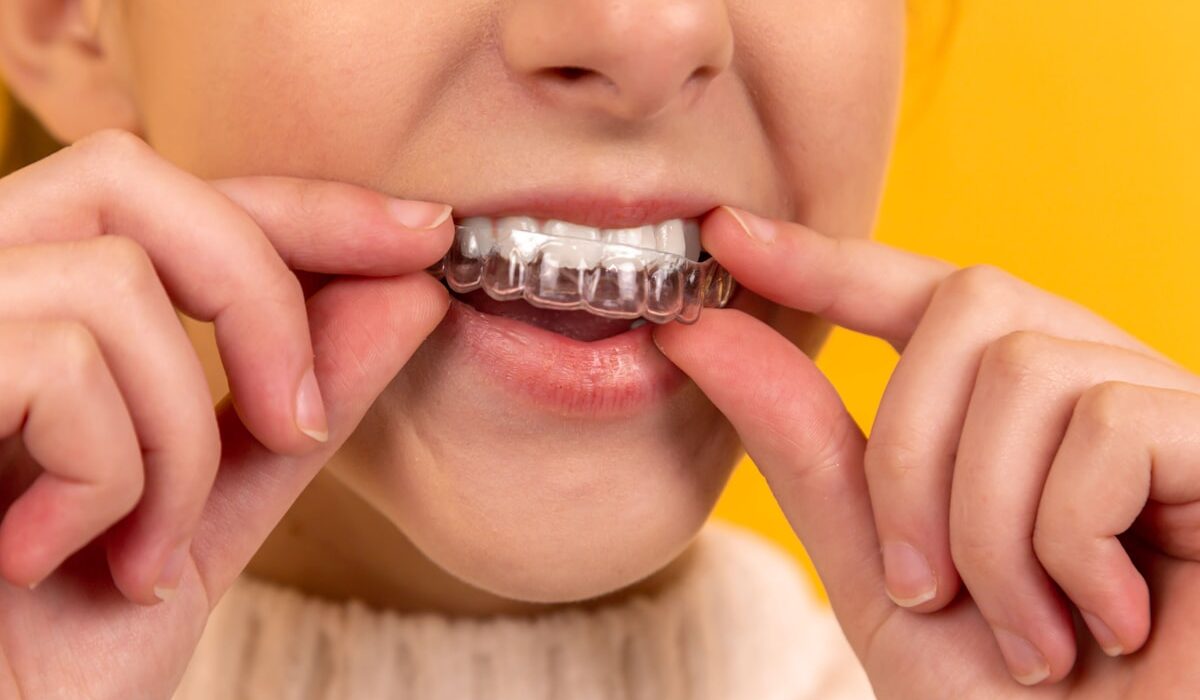
Dental veneers are thin shells bonded to the front surface of your teeth to improve their shape, colour, size, or alignment. They are one of the most popular cosmetic dental treatments worldwide and a key part of smile makeover packages in Turkey.
Veneers can fix chipped, stained, uneven, or slightly crooked teeth without the need for braces or crowns. The two most common materials used for veneers today are E-Max (lithium disilicate) and Zirconia (zirconium dioxide).
E-Max Veneers: Best for Natural Aesthetics
E-Max is a brand name by Ivoclar Vivadent for their lithium disilicate glass ceramic. It has become the gold standard for cosmetic veneers due to its lifelike translucency that closely mimics natural tooth enamel.
Advantages of E-Max
- Superior aesthetics: Light passes through E-Max similarly to natural teeth, creating a realistic look
- Minimal tooth preparation: E-Max veneers can be made very thin (0.3–0.5mm), meaning less of your natural tooth needs to be filed down
- Biocompatible: Well-tolerated by gum tissue with minimal risk of irritation
- Stain-resistant: Maintains colour over time without yellowing
- Lifespan: 10–15 years with proper care
Limitations of E-Max
- Not as strong as zirconia — may chip under heavy bite force
- Less suitable for back teeth (molars) where chewing pressure is highest
- Not recommended for patients who grind their teeth heavily (bruxism) without a night guard
Zirconia Veneers: Best for Strength and Durability
Zirconia veneers are made from zirconium dioxide, an extremely hard ceramic material also used in dental crowns and implant restorations. Zirconia is the stronger of the two options and is often preferred for patients who need durability over maximum translucency.
Advantages of Zirconia
- Exceptional strength: Zirconia is 2–3 times stronger than E-Max, making it highly resistant to chipping and cracking
- Ideal for back teeth: Can withstand heavy chewing forces on molars and premolars
- Good for bruxism: Better suited for patients who clench or grind their teeth
- Long lifespan: 15–20+ years with proper maintenance
- Biocompatible: Safe for gum tissue and does not cause allergic reactions
Limitations of Zirconia
- Slightly less translucent than E-Max — can look more opaque, especially in lighter shades
- Requires more tooth preparation due to thicker material
- Newer multilayer zirconia has improved aesthetics but still does not match E-Max for front teeth
E-Max vs Zirconia: Side-by-Side Comparison
| Feature | E-Max | Zirconia |
|---|---|---|
How Much Do Veneers Cost in Turkey vs the UK?
One of the main reasons patients travel to Turkey for veneers is the significant cost savings. Here is a breakdown of typical prices:
| Treatment | Turkey | UK | Savings |
|---|---|---|---|
These prices at Turkish clinics typically include the consultation, digital smile design, temporary veneers, and the final porcelain veneers. Some clinics also include airport transfers and hotel accommodation as part of a dental tourism package.
Which Veneer Type Should You Choose?
The right choice depends on where the veneers will be placed, your bite strength, and your aesthetic goals.
Choose E-Max If:
- You want veneers for your front teeth (smile zone)
- Natural translucency and aesthetics are your top priority
- You want minimal tooth preparation
- You do not have a heavy grinding habit
Choose Zirconia If:
- You need veneers on your back teeth or full mouth
- You grind or clench your teeth (bruxism)
- Maximum durability and strength are more important than perfect translucency
- You want the longest-lasting option
Many dentists in Turkey recommend a combination approach — E-Max for the visible front teeth and zirconia for the back teeth. This gives you the best of both: natural aesthetics where it matters and strength where you need it.
Getting Veneers in Turkey: What to Expect
A typical veneer treatment in Turkey takes 5 to 7 days and follows this process:
- Day 1 — Consultation and preparation: Your dentist examines your teeth, takes digital scans, and discusses your desired shade and shape. The teeth are prepared (filed) and temporary veneers are fitted.
- Days 2–5 — Lab fabrication: Your permanent veneers are crafted in a dental laboratory. You wear comfortable temporary veneers during this time and are free to explore Istanbul.
- Day 5–7 — Fitting: Your permanent veneers are tried in, adjusted for fit and colour, and bonded to your teeth. A final check ensures your bite is correct.
At Sante Clinic, we coordinate your entire treatment from arrival to departure, including airport transfers and accommodation recommendations. Our partner dental clinics in Istanbul use the latest CAD/CAM technology for precise results.
Frequently Asked Questions
How long do veneers last?
E-Max veneers typically last 10–15 years, while zirconia veneers can last 15–20 years or more. Lifespan depends on oral hygiene, diet, and whether you grind your teeth. Using a night guard and attending regular dental check-ups will help extend the life of your veneers.
Are veneers painful?
The procedure is done under local anaesthesia, so you should not feel pain during preparation. Some patients experience mild sensitivity for a few days after the temporary veneers are placed, but this usually subsides quickly. The final bonding appointment is typically painless.
Can I get veneers if I grind my teeth?
Yes, but your dentist may recommend zirconia veneers for their superior strength. You will also need to wear a custom night guard to protect your veneers while you sleep. Many Turkish clinics include a night guard as part of your treatment package.
Do Turkish dentists use genuine E-Max and zirconia materials?
Reputable clinics in Turkey use the same certified materials as dentists in Europe and the US. E-Max is manufactured by Ivoclar Vivadent (Liechtenstein), and high-quality zirconia blanks come from brands like Katana (Kuraray Noritake) and BruxZir. Always ask your clinic to confirm the material brand and provide a warranty certificate.
Why are veneers so much cheaper in Turkey?
Lower operating costs, favourable exchange rates, and high patient volume allow Turkish dental clinics to offer the same materials and technology at significantly lower prices. The quality of materials is identical — the cost difference comes from lower labour, rent, and overhead costs in Turkey compared to the UK or US.
How many teeth do I need veneers on?
This depends on your goals. A full smile makeover typically covers 16 to 20 teeth (upper and lower visible teeth). Some patients only need 6 to 8 veneers on the upper front teeth. Your dentist will recommend the right number during your initial consultation or based on photos you send before your trip.
Ready to Get Veneers in Turkey?
At Sante Clinic, we help patients from the UK, Europe, and beyond get beautiful, long-lasting veneers at a fraction of the cost back home. Our partner clinics in Istanbul use genuine E-Max and zirconia materials with full warranties.
Get a free consultation and personalised quote:
- Send us your dental photos via WhatsApp for a free assessment
- Visit our Contact page to book a video consultation
- View our Aesthetic Dentistry services for full treatment details
- Check our Prices page for current 2026 rates