How to Verify a Dental Clinic in Istanbul Before You Book
The hardest part of dental work in Istanbul isn’t the flight, the surgery, or the recovery. It’s picking the clinic. There are hundreds of them, and their Instagram pages all look the same: white rooms, perfect smiles, drone shots of the Bosphorus. So how do you actually tell a good one from a slick sales operation?
I’ve watched this from both sides. I lived in Turkey for five years and speak the language, and my partner works in Istanbul medical tourism and sits in on patient appointments every week. The single biggest problem we see isn’t fake clinics. It’s a real clinic where the dentist you were promised is somewhere else that day, working at one of the three or four other clinics they rotate through. This guide is the checklist we’d give a friend.
How do you check if a dental clinic in Istanbul is legitimate?
Start with three documents: the clinic’s Turkish Ministry of Health license, the treating dentist’s registration with the Turkish Dental Association (Türk Diş Hekimleri Birliği, TDB), and a written, itemized quote. A legitimate clinic hands these over without hesitation. If any request gets a vague answer or a “we’ll sort it when you arrive,” treat that as your answer.
Every practicing dentist in Turkey has a TDB registration number. You can ask for the specific dentist’s name and number, then verify it. This matters more than the clinic’s marketing, because you’re not hiring a building. You’re hiring a person to drill into your jaw.
Then check reviews where the clinic can’t edit them. Google Business reviews and Trustpilot are harder to fake than the glowing testimonials on a clinic’s own homepage. Look for reviews that mention problems and how the clinic responded, not just five-star one-liners. A clinic with 40 reviews that includes two complaints it handled well is more trustworthy than one with 300 flawless ones.

Who is actually doing your procedure?
Ask one blunt question before anything else: which named dentist performs my treatment, and will that same person be there for every appointment? This is the question that separates real clinics from assembly lines, and it’s the one most patients forget to ask.
My partner sees this constantly. A patient books because they liked “Dr. So-and-so” from a video. They arrive, and a different dentist does the work — because the one on the video splits their week across four clinics and happens to be across town that day. Nobody lied, exactly. The patient just never asked, and the clinic never volunteered.
So get the name in writing. Look them up on the TDB registry. And ask for a video call with that specific dentist before you fly, not a sales coordinator but the actual person who’ll hold the drill. If a clinic won’t put you on a 15-minute call with your dentist beforehand, you already know how present they’ll be once you’ve paid.
This is honestly why we built the way we did. My partner is physically in the room for every appointment our patients have, translating and making sure the plan agreed on WhatsApp is the plan being carried out. Not because it’s a nice touch, but because the gap between “the dentist you were shown” and “the dentist you get” is the number one thing that goes wrong here.
What materials should the clinic name, and why does it matter?
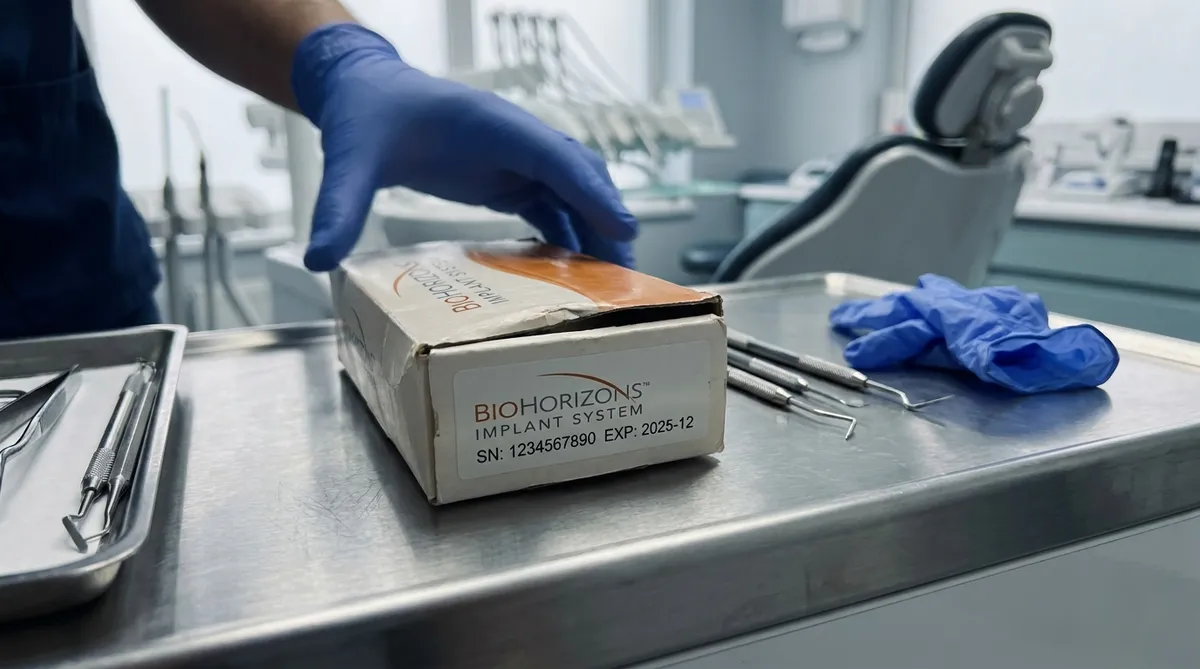
A trustworthy clinic tells you the exact brand and lets you see the packaging with the serial number. For implants, that means names like Straumann or Nobel Biocare. For veneers, it means IPS e.max from Ivoclar. Vague phrases like “premium European implants” or “high-quality porcelain” are a warning sign. Real brands have names, and clinics that use them are proud to say so.
This matters because the material is where quiet cost-cutting hides. Two implants can look identical in your mouth on day one. Five years later, the difference between a documented Straumann implant and an unnamed generic one is the difference between something that lasts and something that fails. You can’t see it, so you have to verify it up front.
Ask for the brand in writing before you pay, and ask to photograph the box when you arrive. On dental implants, we always confirm the brand and batch, because “same procedure, cheaper” only makes sense once you know the materials match. Same logic on the veneer side — if you’re comparing aesthetic dentistry quotes, a clinic quoting E-max should be able to say “IPS e.max Press” without checking with anyone.
Are the low prices in Istanbul a red flag?
No, a low price by itself isn’t the problem. The gap is real and explainable. As of June 2026, a dental implant with a crown runs $400-800 in Istanbul versus $3,000-5,000 in Western Europe, and a full set of 20 E-max veneers is $4,000-7,000 here against $18,000+ in Germany. That difference comes from rent, labor, and lab costs, not from cutting corners on your mouth.
The actual red flag is a price that changes. A quote of $6,000 that becomes $8,500 once you’re in the chair is the oldest trick in this business. So is a suspiciously round number with no breakdown. A real quote is itemized: the procedure, the materials, the temporaries, the abutment, transfers, hotel, all line by line.
Patients often don’t believe the numbers. My partner spends a lot of time on exactly this, explaining that the same Straumann implant costs a fraction here not because it’s worse, but because a clinic in Istanbul isn’t paying Munich rent. You can see our current ranges on the prices page, and any honest clinic will give you a written figure that doesn’t move between the quote and the invoice.
Compare a few clinics, but compare like for like. A $400 implant with a named brand and a written guarantee beats a $300 implant with neither. Cheapest isn’t the goal. Predictable is.
What should a real guarantee and aftercare plan include?
A proper guarantee is written, names what it covers, and states how long. Reputable Istanbul clinics guarantee materials and workmanship: if a veneer chips or an implant fails within the covered period, they redo it. Get this on paper before you travel, not as a verbal “don’t worry” at reception.
But the guarantee is only half of it. The part that actually protects you is aftercare, because the real questions show up two weeks after you’re home. A crown feels high, the gum around an implant is tender, something doesn’t sit right. If the clinic vanishes the moment you land back home, the guarantee is just words.
Ask specifically: how do I reach you after I fly back, and who answers? We include follow-up video consultations for exactly this reason, and my partner stays reachable on WhatsApp. Fears about safety are usually really fears about being abandoned mid-problem. If you want the honest version of that conversation, we wrote a whole piece on whether dental work in Turkey is safe.
Your pre-booking checklist
Before you send a deposit to any Istanbul clinic, you should be able to tick all of these:
- The dentist has a name. You know who’s doing the work, verified on the TDB registry, not just “our team of specialists.”
- You’ve spoken to that dentist. A pre-trip video call with the actual person, not only a sales coordinator.
- Materials are named in writing. Straumann, Nobel Biocare, IPS e.max, with a promise you can photograph the packaging on arrival.
- The quote is final and itemized. Line by line, and it won’t change in the chair.
- The guarantee is on paper. What it covers, how long, and what happens if something fails.
- Aftercare is defined. You know how to reach a real person once you’re home.
- Reviews check out off-site. Google and Trustpilot, complaints included, not just the homepage testimonials.
If a clinic clears all seven, price becomes a fair thing to compare. If it stumbles on the first three, no discount is worth it.
According to the U.S. Centers for Disease Control and Prevention, the biggest risks in medical travel come from poor communication and inadequate follow-up care, not the country itself. That lines up exactly with what we see. The clinics that go wrong aren’t usually fraudulent. They’re just careless about the boring stuff: who’s in the room, what’s in your mouth, and who picks up the phone after you leave.
Frequently Asked Questions
How do I check if a dental clinic in Istanbul is legitimate?
Ask for the treating dentist’s Turkish Dental Association (TDB) registration number and the clinic’s Health Ministry license. Confirm the specific dentist’s name before you pay, request implant or veneer brand codes in writing, and read reviews on Google and Trustpilot rather than the clinic’s own site.
How can I tell who my actual dentist will be?
Ask directly: “Which named dentist performs my procedure, and will they be there for every appointment?” Many Istanbul dentists split their week across three or four clinics. Get the name in writing, look them up on the TDB registry, and ask for a pre-trip video call with that specific person.
What questions should I ask a Turkish dental clinic before booking?
Ask who does the work, what implant or veneer brand they use, whether the quote is final and itemized, what the guarantee covers, and how aftercare works once you fly home. A clinic that answers all five clearly and in writing is safer than one that only sends a low price.
Are cheap dental prices in Istanbul a red flag?
Not by themselves. A dental implant with crown runs $400-800 in Istanbul versus $3,000-5,000 in Western Europe, and that gap is real: it comes from lower rent, labor, and lab costs. The red flag is a price that jumps once you arrive, or a quote that leaves out materials, temporaries, or the abutment.
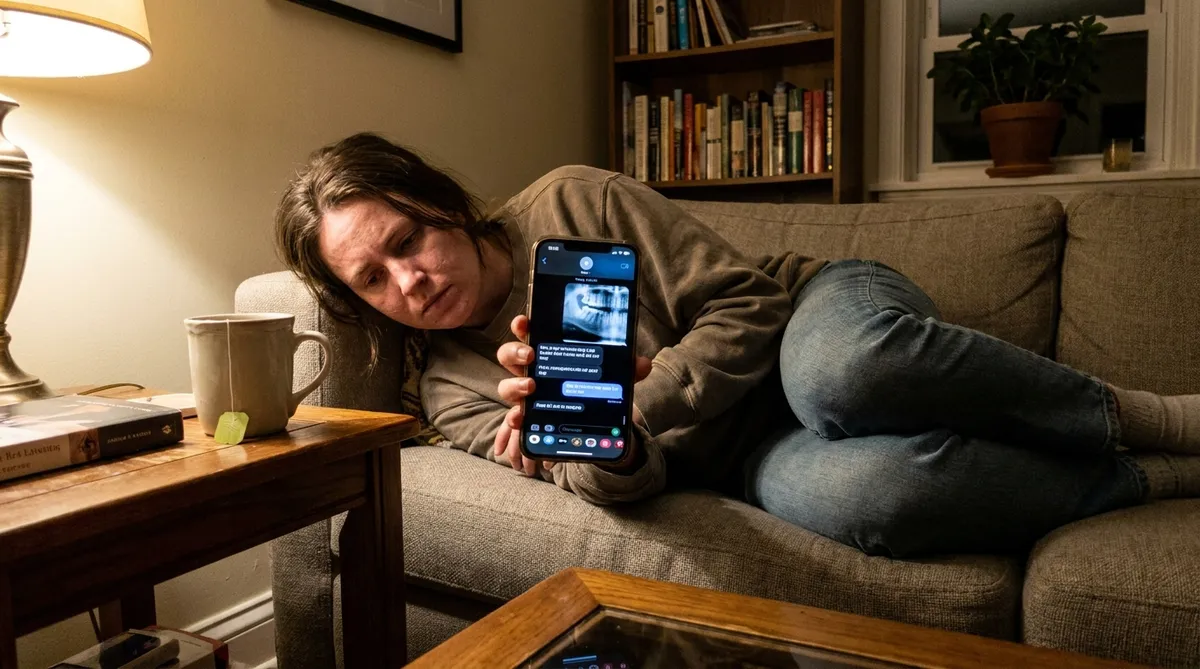
You’ve done the hard part by reading this far. You now know the questions most patients never think to ask. If you want a second set of eyes on a clinic you’re considering, or a plan of your own, send us your X-rays or photos on WhatsApp (+90 546 229 38 34) and we’ll put together a treatment plan and a final quote within 24 hours. No pressure, no jumping prices, just an honest read from someone who’s in the room. You can also reach us through our contact page.