This post is for anyone comparing a quote at home with prices in Istanbul.
Why are people flying to Turkey for medical work?
The short answer: prices in Istanbul are 50-70% lower than Western Europe and the US for the same procedures, with the same brand-name materials. As of May 2026, a single E-max veneer in Istanbul runs from €240 versus $900-1,200 in Germany or $1,500-2,500 in the US. Implants with a crown cost €430-950 here versus $3,000-5,000 in Western markets. Hair transplants start from €2,500 for FUE (all-inclusive package) versus $8,000-15,000 in the UK.
The price gap isn’t the whole story.
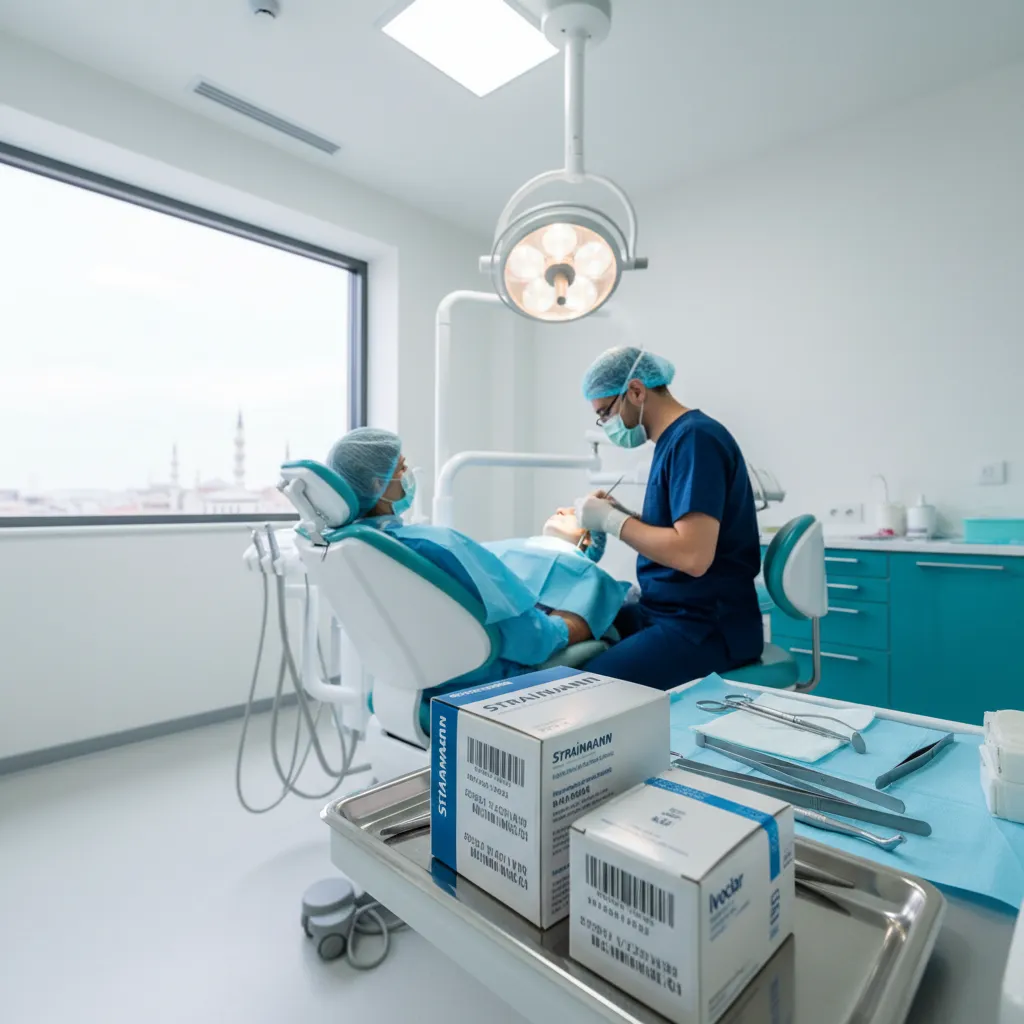
Turkey treats around 1.5 million international medical patients per year, according to data from the Turkish Ministry of Health (saglikturizmi.saglik.gov.tr). JCI-accredited hospitals in Istanbul have been doing this work since the early 2000s. The supply of trained surgeons is large, the equipment is modern, and most of the materials (Straumann implants, Nobel Biocare, IPS e.max ceramics from Ivoclar Vivadent, BAHRS hair transplant tools) come from the same suppliers your dentist in Berlin uses.
So why is it cheaper? Lower clinic rent, lower lab costs (most Istanbul clinics keep ceramists in-house instead of outsourcing), and lower wages for assistants and technicians. Not lower-quality materials. That’s the part most blogs skip.
Is medical tourism in Turkey actually safe?
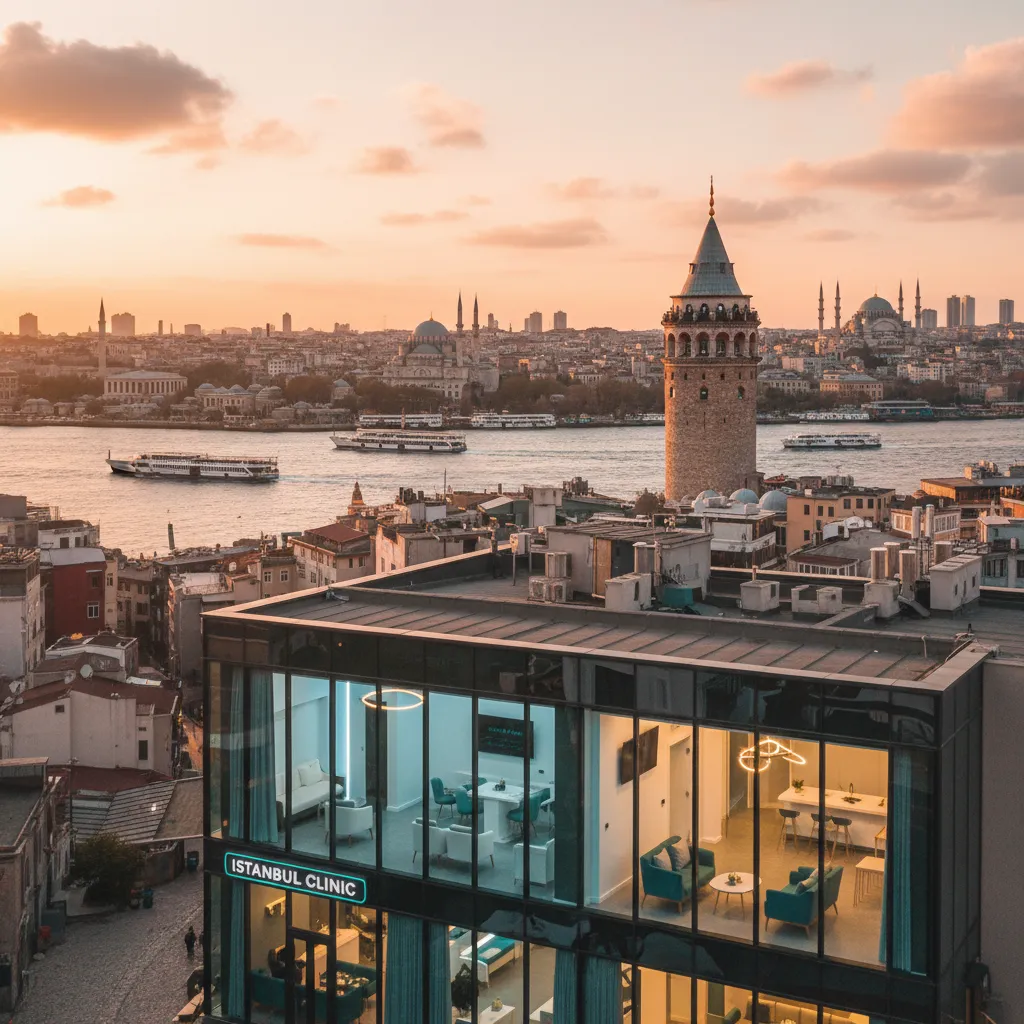
Direct answer: yes, for most procedures, when you pick the right clinic. The risk isn’t Turkey itself. It’s the operating model some Istanbul clinics run, where one surgeon rotates between three or four facilities and barely sees you before the chair tips back. That’s the trap to avoid.
I lived in Turkey for five years (2009-2014) and speak Turkish. My partner has worked in Istanbul medical tourism since 2019. So I’m not pulling this from a tourism brochure.
Here’s what I’ve watched up close: a patient flies in, meets a smiling coordinator, and never actually meets the surgeon until the morning of the procedure. The surgeon spends maybe 15 minutes on consultation because she has two more patients waiting in another clinic across town. Mistakes get made. Wrong tooth shade. Oversized veneers. Infection follow-up missed. The patient flies home and posts an angry TikTok.
This is the part nobody tells you: in Istanbul, the same surgeon often works at 3-4 clinics simultaneously. The “Dr. Smith Clinic” you booked might rent the surgeon from another clinic for the day. You don’t know who’s actually doing your work.
We built Santé specifically around this problem. My partner is physically present at every patient appointment in Istanbul. Not as a translator who shows up for an hour, but from check-in through every consultation, every cleaning, every fitting. If the surgeon tries to rush, she stops it. If a question gets lost in translation, she catches it.
For a closer look at safety specifically for dental work, I covered it in a separate post: Is Turkey Safe For Dental Tourism: Common Fears Addressed.
What does the trip actually look like day by day?
Most first-timers picture some long, stressful ordeal. Reality is usually 3-7 days, and a lot of it is recovery time at the hotel.
Here’s the typical breakdown for the procedures we handle most:
Dental veneers (E-max or laminate): 5-7 days in Istanbul. Day 1: consultation, X-rays, digital smile design. Day 2-3: tooth preparation, impressions to lab. Day 4-5: try-in and adjustments. Day 6-7: final cementation and fit check.
Dental implants (placement only): 3-5 days. Implant placement is one appointment, plus a follow-up X-ray and suture check. The crown comes 3-6 months later, usually a second short trip or local follow-up if your home dentist will handle it.
All-on-4 / All-on-6: 5-7 days for the surgical phase with temporary teeth. Final prosthetic at 4-6 months.
FUE / DHI hair transplant: 2-3 days. Procedure day is 6-8 hours. The day after is wash and instructions. You fly home on day 3.
For hair work specifically, I wrote a detailed recovery timeline here: Hair Transplant in Turkey: Recovery Timeline and What to Expect.
What’s included in our package: airport transfers, hotel (3 to 5 stars depending on what you pick), all clinic visits, materials, post-op care, and follow-up video consultations after you’re home. What’s not included: flights, meals outside hotel breakfast, and personal expenses.
How much does medical tourism in Turkey actually cost in 2026?
The full math, including the trip, usually surprises people. Here are real numbers I quote every week:
20 E-max veneers (full smile design): from €3,400. Add $400-800 for flights from most EU capitals. Compare: same work in Germany runs $18,000-24,000.
Single dental implant + crown: €430-950 in Istanbul. $3,000-5,000 in the US. $2,000-3,500 in Western Europe.
All-on-4 (one jaw): from €2,400. The same procedure in the US runs $20,000-30,000.
FUE hair transplant (up to 5,000 grafts): from €2,500, all-inclusive package. Compare: $8,000-15,000 in the UK, $12,000-20,000 in the US.
For the full price list across every procedure we handle, see our prices page, updated as costs shift.
Two things to verify before paying any deposit:
1. Ask whether the price includes lab work and materials by name. If a clinic quotes you $150 per veneer, ask what brand of ceramic. If they say “premium” or won’t name it, walk away.
2. Ask for the surgeon’s name in writing, not “our team will handle it.” Then check that surgeon’s practice schedule. A surgeon who claims to operate at four clinics is overbooked, full stop.
How do you actually choose a clinic in Istanbul?
This is where most first-timers freeze. There are 800+ clinics in Istanbul advertising to international patients. The marketing all looks the same. Here’s the filter I’d use if I were the patient:
Real reviews on independent platforms. Trustpilot, Google Reviews, Reddit. Skip Instagram testimonials, since those can be staged. Look for reviews with specific details: surgeon name, procedure date, what went wrong and how the clinic handled it. A clinic with zero negative reviews has either bought reviews or hidden them.
Communication style during the quote phase. Send a clinic your X-rays or photos. If they reply within hours with a copy-paste price list and zero questions about your medical history, that’s a red flag. A real consultation involves questions: medications, bone density, smoking, previous work, allergies. If they don’t ask, they’re not planning the case. They’re selling a package.
Surgeon transparency. Can you book a video call with the actual surgeon before flying? At Santé we do this in every case. A clinic that hides the surgeon until you arrive is hiding something.
The aftercare clause. What happens if a veneer cracks six months after you fly home? What if the implant fails to integrate? Get the warranty in writing. Most reputable Istanbul clinics offer 2-5 year warranties on materials and workmanship. But only if it’s documented.
What about those “Turkish teeth” TikTok videos?
Worth addressing because every patient asks. Those videos show “full prep” veneers, where the dentist files the teeth down significantly to fit a thicker porcelain shell. It’s a real technique, used in some specific cases. But it’s been abused by clinics chasing speed and volume over patient outcomes.
The alternative is minimal-prep or no-prep veneers (sometimes called laminates), where 0.3-0.5 mm of enamel comes off, or none at all. The veneer is thinner and bonds to the existing tooth. Less aggressive, more conservative, better long-term outcome for most patients.
We default to minimal-prep when the case allows it. If a clinic only offers “full prep” or won’t explain the difference, that’s another filter to use.
What questions should you ask before booking?
These are the ones I wish patients asked us more often:
1. Who is the actual surgeon, and how many cases like mine has she done?
2. What brand of materials? Show me the box on the day of treatment.
3. What’s the warranty, and how does it work if I’m flying back home?
4. Will someone from your team be with me at every appointment, or am I on my own once I check in?
5. What’s the post-op support like? Do I get follow-up calls or am I ghosted after I pay?
6. What happens if I need to extend my stay because of a complication? Who covers the extra hotel nights?
A good clinic answers these without hesitation. Vague responses or “don’t worry about that” mean keep shopping.
For more questions and direct answers, the Santé FAQ page covers the most common ones we hear from international patients.
Practical things nobody mentions
Some small details from my five years of living in Istanbul that come up constantly:
Where to stay. Şişli or Beşiktaş for most patients. Both districts are close to the clinics we work with, safe at night, easy to grab a taxi or metro. Avoid Sultanahmet unless you specifically want tourist mode, since it’s far from the clinical zones.
What to eat after dental work. Turkish cuisine is unusually good for soft-food recovery. Mercimek çorbası (red lentil soup), yogurt-based ayran, hummus, mashed eggplant. The hotel breakfast we include works well for first morning post-op.
Time of year. Best windows are April through June and September through November. Summer hits 35°C+ regularly and is uncomfortable for recovery. Winter is rainy but mild, fine if you don’t mind grey skies.
Currency. Turkish lira (₺). Exchange rate has been favorable for EU/UK/Canadian/US patients for several years running. ATMs everywhere. Most clinics accept USD, EUR, or card payments without issue.
Language. Almost everyone in tourism-facing Istanbul speaks some English. But for medical conversations specifically, having someone fluent in Turkish next to you is worth a lot. (Yet another reason my partner is at every appointment.)
What I’d tell my friend before booking
Medical tourism in Turkey works. The data backs it up, the materials are real, the surgeons can be excellent. The industry has a real problem with surgeons stretched across multiple clinics, and that’s where most bad outcomes come from.
The fix is simple: pick a clinic where you know exactly who’s treating you, where someone is physically present at every appointment, and where the warranty is in writing. Pay slightly more for that than the cheapest quote you’ll find. The difference between a $4,200 smile and a $5,500 smile is small. The difference between a smile that lasts 15 years and one that fails in 18 months is enormous.
If you’re considering the trip, send us your X-rays or photos on WhatsApp at +90 546 229 38 34 or through our contact page. We’ll prepare a treatment plan and full quote within 24 hours, with the surgeon named, materials specified, and warranty included. No deposit, no pressure, just the information you need to decide.