

Is Turkey Safe for Dental Tourism? 7 Common Fears Addressed
You’ve found a clinic in Istanbul offering veneers for $250 a tooth. Back home, the same thing costs $1,200. Your first thought isn’t “great deal.” It’s “what’s the catch?”
That reaction is completely normal. Is Turkey safe for dental tourism? That’s the question behind the skepticism. I hear it every single week. And honestly? A healthy dose of skepticism is exactly what keeps patients safe abroad. The ones who ask tough questions before booking are the ones who end up happy.
So let’s go through the real fears, not with vague reassurances, but with specifics.
Why Are Dental Prices So Much Lower in Turkey?
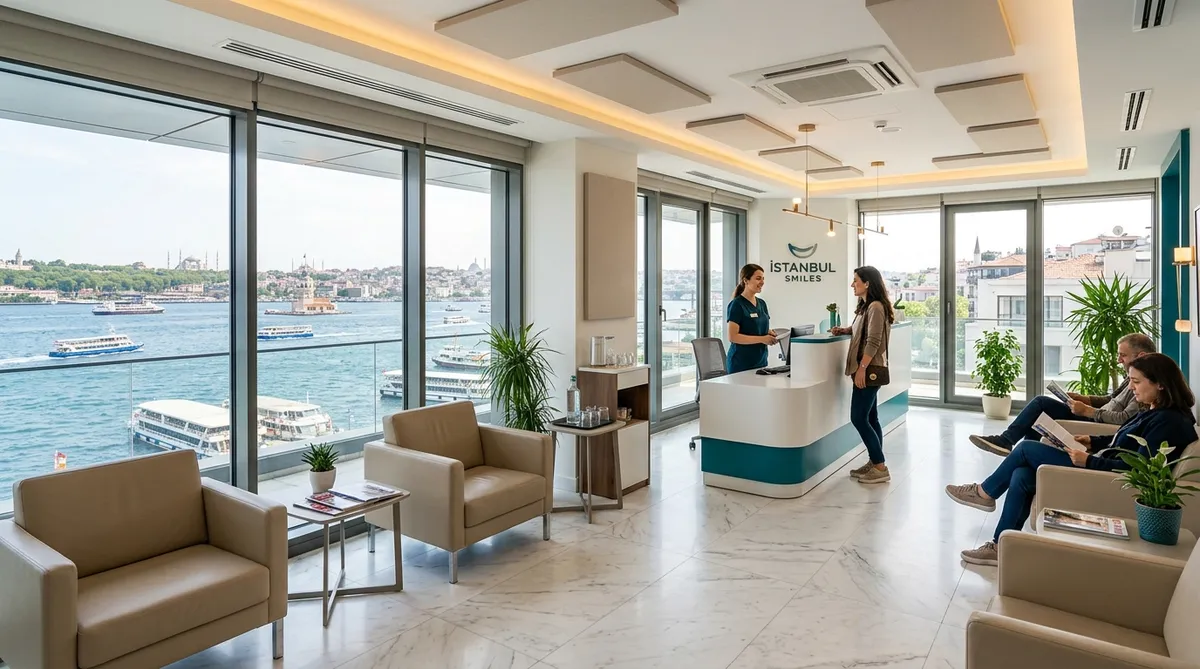
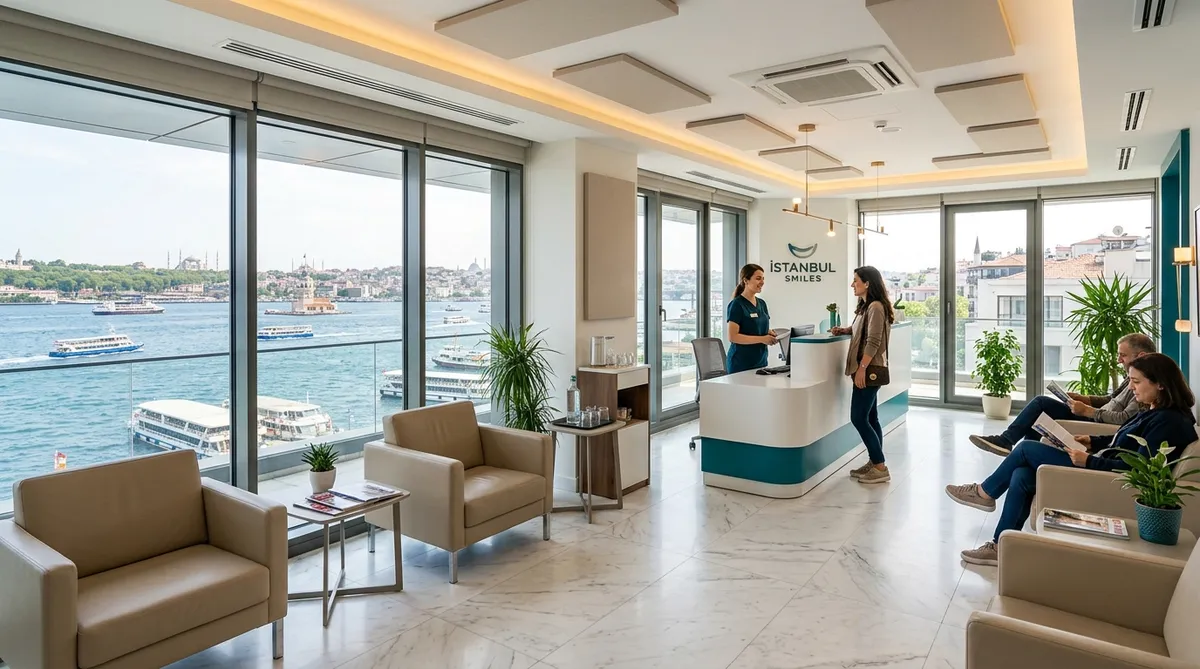
As of March 2026, a single E-max veneer in Turkey costs $200–350. The same veneer runs $800–1,500 in the US, $600–900 in the UK, and $700–1,200 in Canada. The materials are identical — IPS e.max from Ivoclar Vivadent, manufactured in Liechtenstein. Same ceramic. Same brand. Different price tag.
The gap comes down to three things: lower operating costs, the weak Turkish lira (₺), and sheer volume. A busy Istanbul dental clinic sees 40–60 patients per week, many of them international. Rent in Şişli costs a fraction of what a dentist pays on Harley Street or in Manhattan. Turkish dentists don’t carry $300,000 in student debt. And competition between 400+ clinics in Istanbul alone keeps margins thin.
None of that affects the quality of the porcelain going on your teeth.
But (and this matters) not every clinic deserves your trust. That’s the real conversation.
Is the Quality of Dental Work in Turkey Actually Good?
Turkey’s Ministry of Health regulates private dental clinics through JCI accreditation and Turkish Dental Association standards. As of 2026, over 50 clinics in Istanbul hold JCI accreditation, putting them on par with hospitals in Germany or the US.
The materials question is easy to verify. Ask any clinic which implant brands they use. If the answer is Straumann (Swiss), Nobel Biocare (Swedish), or Osstem (South Korean), you’re looking at the same products used in London, Toronto, and Sydney. If they can’t name a brand — or give you a vague answer like “premium European implants” — walk away.
I lived in Turkey for five years, from 2009 to 2014. I worked in tourism, learned Turkish, and saw the business culture from the inside. The quality of medical care in Istanbul genuinely surprised me. Turkish dentists train for five years minimum, many complete residencies in Germany or the UK, and they handle a volume of cosmetic cases that most Western dentists never see. A dentist in Istanbul might place 200 veneers per month. Their counterpart in a small British city might do 20.
That volume builds skill. It also means you need to choose carefully — because not every high-volume practice maintains quality.
What About the “Turkish Teeth” Horror Stories on TikTok?
The “Turkish teeth” videos on TikTok show full-prep veneers, a real but aggressive technique that removes 1.5–2mm of tooth structure. It’s used worldwide, not just in Turkey, and modern alternatives exist that remove far less enamel.
You’ve probably seen the videos. Someone sits in a dental chair while their teeth get filed down to tiny pegs. It looks brutal. It goes viral. And it scares people away from Turkey entirely.
What those videos don’t explain: that’s called “full preparation” for traditional veneers. It’s a legitimate technique used worldwide, including in the US and UK, but many modern dentists consider it outdated for most cases.
The alternative? Minimal-prep or no-prep veneers (sometimes called laminates). These remove just 0.3–0.5mm of enamel. At Santé Clinic, our doctors recommend minimal prep in about 80% of veneer cases. We always explain the difference upfront, show patients what each option looks like, and let them choose.
The TikTok problem comes from clinics that default to full prep on every patient because it’s faster and cheaper. Ask your clinic directly: “Do you offer minimal-prep veneers?” If the answer is no, keep looking.
What If Something Goes Wrong After I Fly Home?
Reputable Turkish dental clinics provide written guarantees covering materials and labour for 1–5 years, including accommodation costs if you need to return for a redo. This is the fear that keeps people up at night, and it’s legitimate. You can’t just pop back to Istanbul if a crown feels off six weeks later.
The clinics we work with provide written guarantees on both materials and labour. If a veneer chips or an implant fails within the warranty period, the clinic covers the redo, including accommodation for your return visit. My partner personally tracks every patient’s recovery and coordinates any follow-up needed.
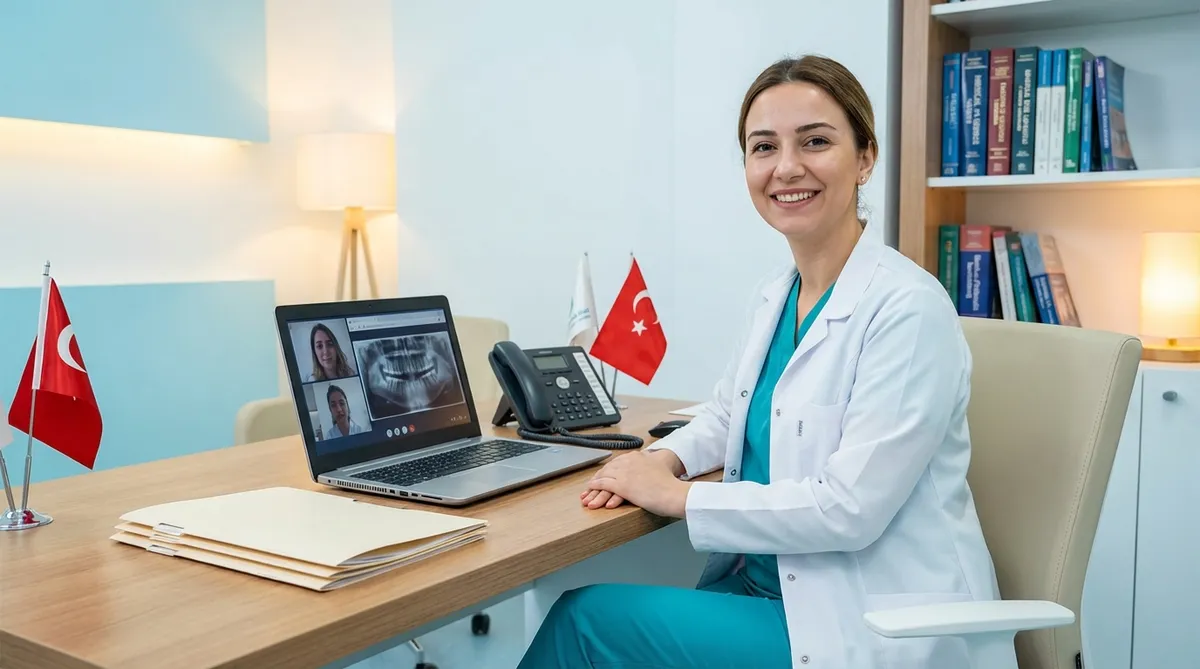
We also include three post-procedure video consultations in every treatment package. Most questions come up around day 10–14 after you’re home: sensitivity, bite alignment, gum healing. A quick video call with the dentist resolves 90% of concerns without anyone getting on a plane.
For зубными имплантами, the process typically requires two visits: one for implant placement (3–5 days in Istanbul) and a second trip 3–6 months later for the permanent crowns. That second visit is planned from day one, it’s not a surprise.
Will I Be Alone in a Foreign Country With a Language Barrier?
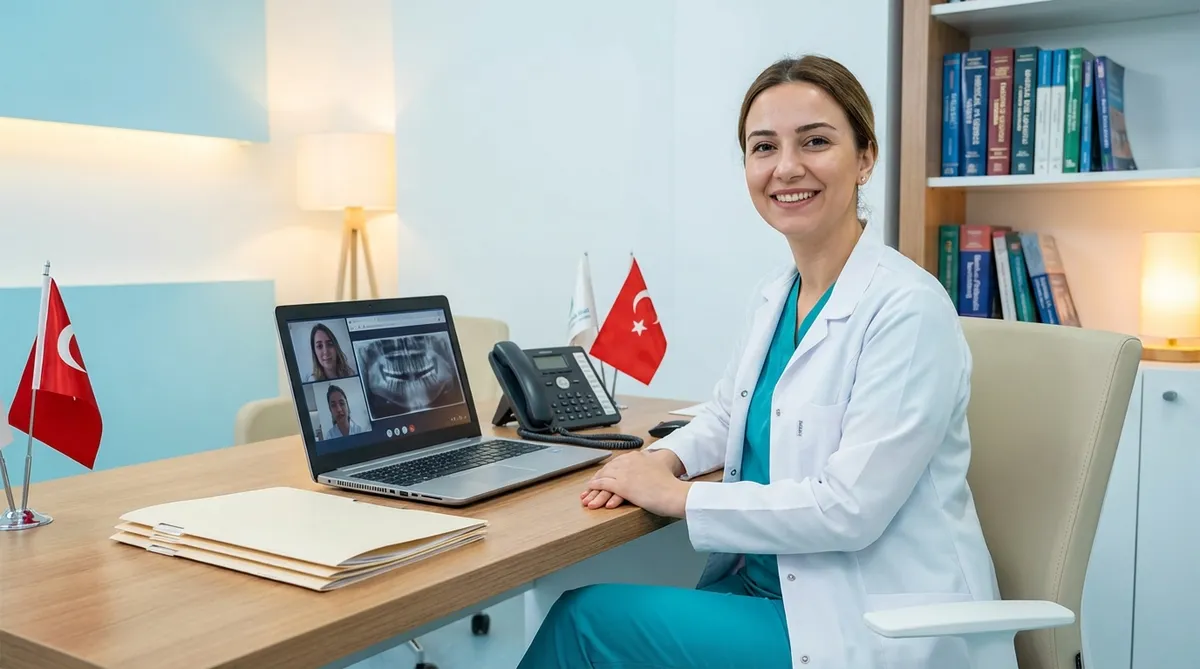
A quality dental tourism agency provides a personal coordinator who accompanies you to every appointment, translates all medical information, and handles logistics from airport pickup to hotel transfers. You won’t be navigating this alone.
This one I understand personally. Even though I speak Turkish after living there five years, I remember how overwhelming Istanbul felt at first. Fifteen million people, a different alphabet, cab drivers who don’t speak English. Now imagine adding dental surgery to that.
That’s exactly why my partner accompanies every patient to every appointment. She translates everything the dentist says: treatment options, risks, aftercare instructions. The patient is never alone in the clinic, never guessing what’s happening, never nodding along without understanding.
We also handle airport pickup, hotel booking (we recommend Şişli or Beşiktaş, close to clinics, safe, walkable), and all transfers between the hotel and clinic. You don’t need to figure out Istanbul’s public transport system while recovering from Виды зубных имплантов процедурами.
Is it still a foreign country? Yes. But with personal coordination, it feels more like a medical trip with a local guide than a solo adventure.
How Do I Know I Won’t Get Scammed?
Scam clinics exist. They bait with impossibly low prices on Instagram, use stock photos of other clinics’ results, and sometimes even swap doctors without telling you.
Here’s how to protect yourself:
Before booking:
- Ask for the dentist’s full name and Turkish Dental Association registration number. Verify it on the TDB website
- Request before/after photos with consistent backgrounds (same clinic, same lighting, not grabbed from Google)
- Read Trustpilot and Google reviews, but focus on detailed reviews, not one-liners
- Do a video consultation before committing. Any legitimate clinic offers this for free
Red flags:
- Prices dramatically below market ($100/veneer when the Istanbul average is $200–350)
- Can’t name specific material brands
- Pressure to book immediately or lose a “special offer”
- No verifiable address or clinic tour photos
We have 43 reviews on Trustpilot with a 4.9/5 average as of March 2026. But I’d tell you the same thing I tell every prospective patient: don’t take our word for it. Read the reviews, do the video call, ask us uncomfortable questions. The clinics that get defensive when you ask for specifics are the ones to avoid.
What Does a Typical Dental Trip to Istanbul Actually Look Like?
A veneer patient (say, 20 E-max units for a full smile makeover) spends 5–7 days in Istanbul. Here’s the actual timeline:
Заселение в отель Arrive at Istanbul Airport. We pick you up, drive you to your hotel in Şişli or Beşiktaş. Rest.
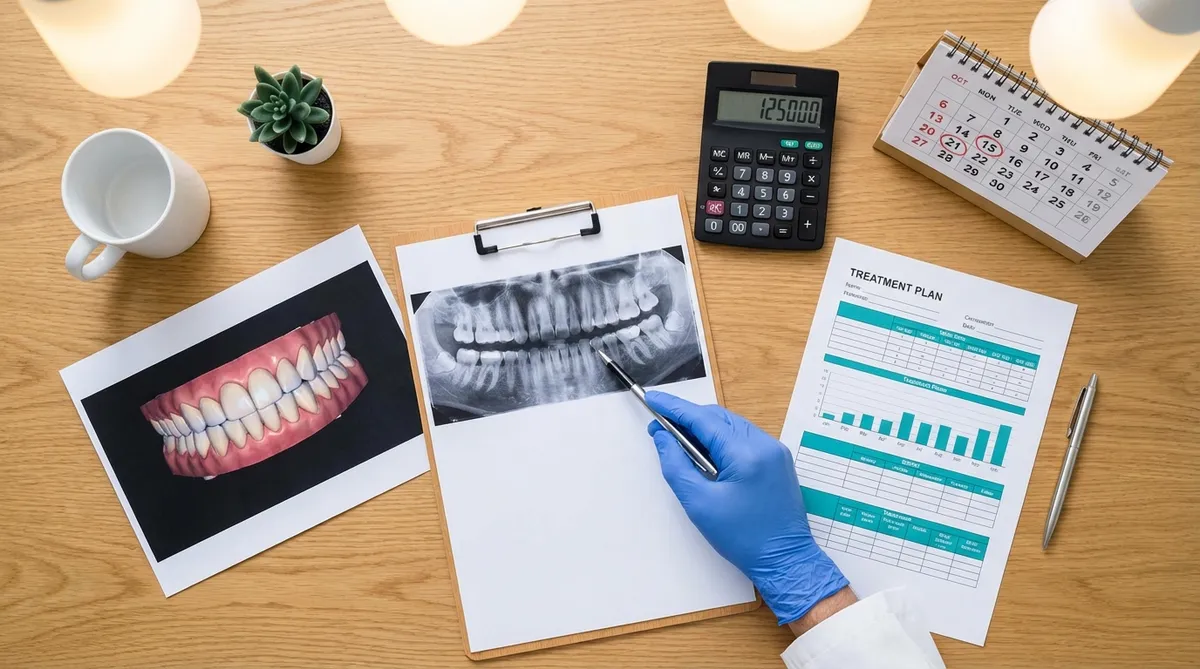
День 2: First clinic visit. Full examination, X-rays, digital smile design (you see a 3D preview of your result before any work starts). Tooth preparation if approved.
Day 3–4: Temporary veneers while the lab fabricates your permanent ones. Free time to explore Istanbul — Sultanahmet, the Grand Bazaar, a Bosphorus ferry ride.
День 5–6: Fitting and adjustments. The dentist checks colour, shape, and bite. This step sometimes takes two appointments.
День 7: Final check, aftercare instructions, airport transfer home.
Total cost for 20 E-max veneers: $4,000–7,000 (procedure + hotel + transfers + follow-up care). Compare that to $16,000–30,000 for the same work in the US or Canada.
For a single dental implant with crown, the first visit is 3–5 days, and you return in 3–6 months for the permanent crown (another 2–3 days).

Is Istanbul Safe for Tourists in General?
The Global Peace Index 2025 ranks Turkey in the middle tier globally, comparable to the US, and safer than several popular tourist destinations. Istanbul’s European side (where most dental clinics operate) is well-policed, tourist-friendly, and served by excellent public transport.
From my five years living there: Şişli, Beşiktaş, and Kadıköy are as safe as any neighbourhood in Montreal or London. Standard travel precautions apply — don’t flash expensive items, use licensed taxis or Uber, keep your passport in the hotel safe. But violent crime against tourists is exceptionally rare.
The Turkish lira has been weak against the dollar and euro since 2020, which makes Istanbul genuinely affordable for international visitors. Meals cost $5–15 at local restaurants. A good hotel in Şişli runs $50–80/night.
Best times to visit: April through June or September through November. Summer (July–August) hits 35°C+ and humidity is high, not ideal when you’re recovering from dental work.
So — Is It Worth It?
I won’t pretend dental tourism is for everyone. If you need a single filling, fly to your local dentist. But if you’re facing $15,000+ in dental bills at home — veneers, implants, All-on-4 reconstruction — the math is hard to ignore.
Safety comes down to choosing the right clinic, the right dentist, and having someone on the ground who answers your calls at 10 PM when your gums feel weird.
That’s what we do.
—
Ready to find out what your treatment would cost? Send us your dental X-rays or photos on WhatsApp — we’ll prepare a personalised treatment plan and quote within 24 hours. No pressure, no obligations. Contact us here or message us directly at +90 545 910 44 03.
Related: Зубные имплантаты в Турции: структура затрат в 2026 году | E-max Veneers in Turkey | Is Dental Work in Turkey Safe?
