


Is It Safe to Get Dental Work in Turkey? An Honest Guide (2026)
Турция стала одним из самых популярных направлений для стоматологического туризма: ежегодно сотни тысяч иностранных пациентов приезжают сюда для установки имплантатов, виниров и других процедур. Но действительно ли это безопасно? В этом руководстве рассказывается все, что вам нужно знать — от стандартов здравоохранения и аккредитации клиник до тревожных сигналов и практических советов по выбору подходящего поставщика услуг.
Ключевые выводы
- Турция входит в десятку лучших стран мира по качеству здравоохранения и имеет более 50 больниц, аккредитованных JCI.
- Стоматологические клиники Стамбула используют те же бренды имплантатов (Straumann, Nobel Biocare) и материалы, что и клиники Великобритании и США.
- Основные риски связаны с выбором непроверенных клиник, а не с самой страной.
- Перед бронированием всегда проверяйте наличие регистрации в Министерстве здравоохранения, учетных данных стоматолога и реальных отзывов пациентов.
- Клиники с хорошей репутацией предлагают письменные гарантии, планы последующего ухода и прямую связь со своим стоматологом после вашего возвращения домой.
Турецкие стандарты здравоохранения: что вам следует знать
За последние два десятилетия Турция вложила значительные средства в свою инфраструктуру здравоохранения. Сейчас в стране больше больниц, аккредитованных JCI, чем в любой другой стране за пределами США. JCI (Объединенная международная комиссия) является золотым стандартом аккредитации больниц во всем мире.
Турецкие стоматологи заканчивают пятилетнюю университетскую программу, и многие проходят дополнительную специализацию в Европе или США. Турецкая ассоциация стоматологов регулирует стандарты практики, а Министерство здравоохранения контролирует все стоматологические клиники, работающие в стране.
Ключевые факты о турецком здравоохранении:
- Более 50 больниц, аккредитованных JCI — больше, чем в Германии, Испании или Великобритании
- надзор Министерства здравоохранения — все стоматологические клиники должны быть зарегистрированы и проверены
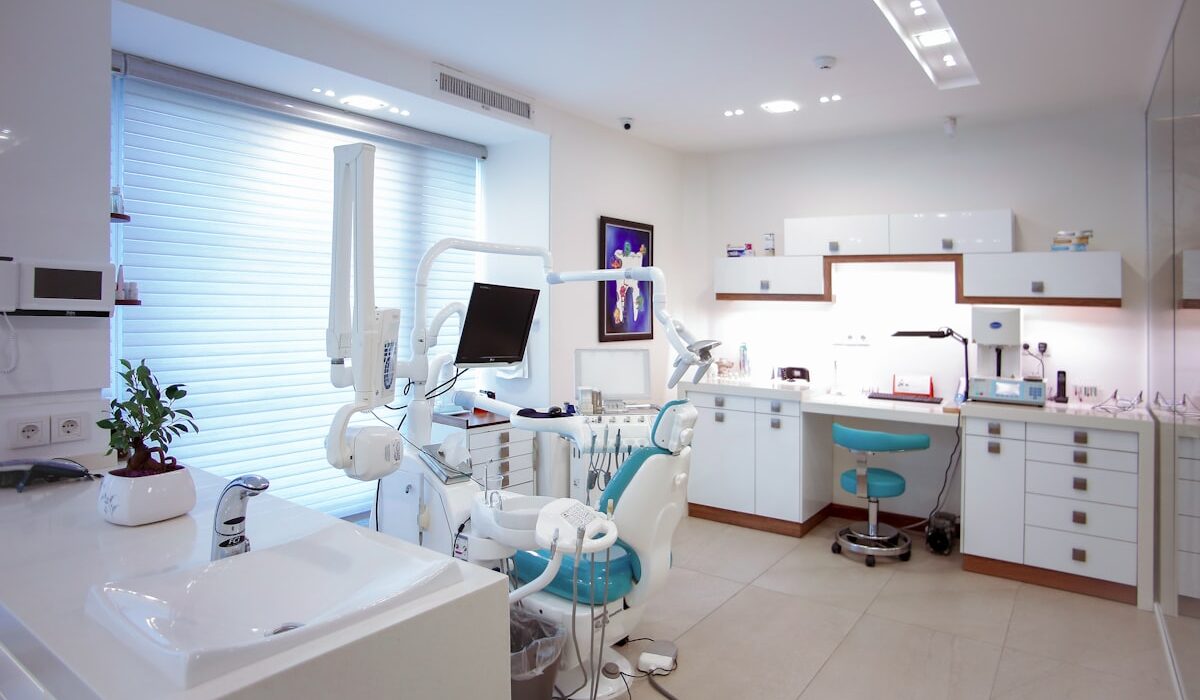
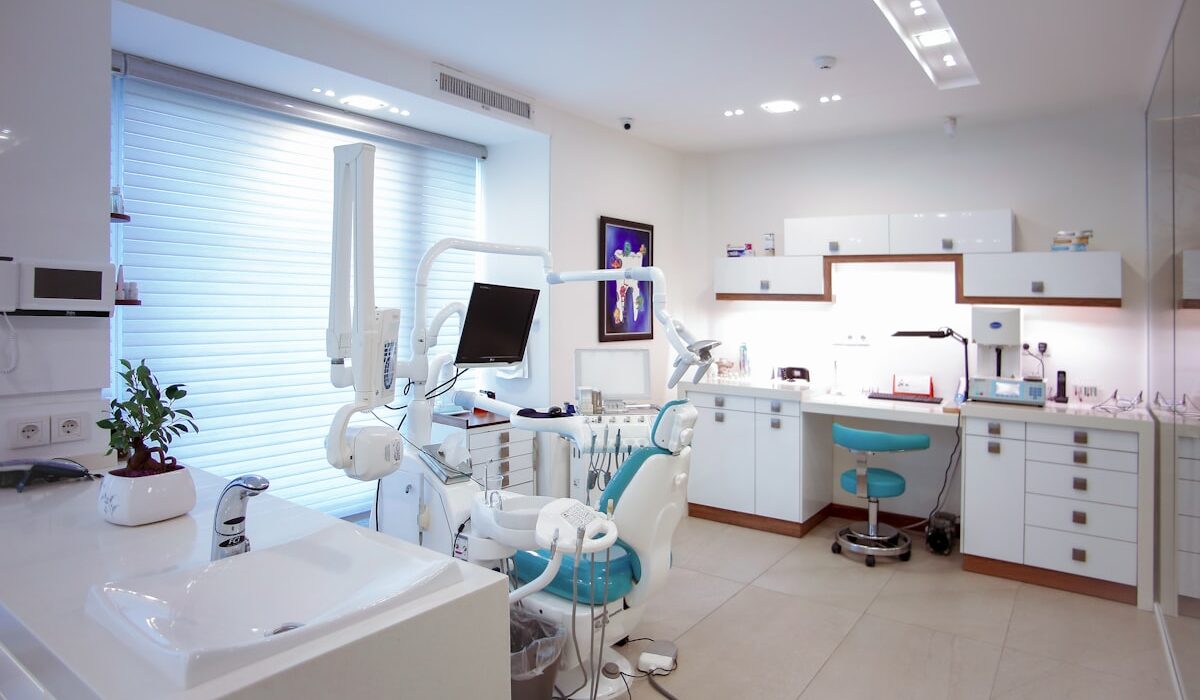
- Современное оборудование — большинство клиник Стамбула используют 3D-КТ, цифровые слепки и технологии CAD/CAM.
- Международные бренды имплантатов — Straumann (Швейцария), Nobel Biocare (Швеция), Medentika (Германия) и другие.
- 1+ миллион медицинских туристов в год — Турция является четвертой по посещаемости страной в мире для медицинского туризма.
Аккредитация клиник и что они означают
Не все клиники одинаковы. Аккредитация и сертификация — наиболее надежный способ убедиться, что клиника соответствует международным стандартам. Вот что искать:
| Аккредитация | Что это значит | Почему это важно |
|---|---|---|
Как минимум, любая клиника, которую вы считаете, должна иметь регистрацию Министерства здравоохранения. Сертификация JCI или ISO является сильным бонусом, указывающим на более высокие стандарты.
Как выбрать безопасную стоматологическую клинику в Турции
Самый большой риск в стоматологическом туризме связана не с самой Турцией, а с выбором неправильной клиники. Вот практический контрольный список, который поможет вам найти надежного поставщика:
Зеленые флаги (на что обратить внимание)
- Названные стоматологи с поддающимися проверке полномочиями — вы должны точно знать, кто вас будет лечить, с указанием его вуза и специализации
- Реальные фотографии до/после — стабильное качество в нескольких случаях, а не только в 2-3 выбранных результатах
- Подлинные отзывы пациентов — проверяйте Google Reviews, Trustpilot и независимые форумы, а не только отзывы на их веб-сайте.
- Прозрачное ценообразование — четкая разбивка того, что включено (материалы, лабораторная работа, сопровождение, гостиница, трансфер)
- Письменный план лечения перед поездкой — на основе ваших рентгеновских снимков или компьютерной томографии, а не расплывчатой цитаты
- Гарантия на стоматологические работы. — авторитетные клиники дают гарантию 5-10 лет на имплантаты и протезирование
- Прямое общение со стоматологом — не просто координатор продаж
- План последующего ухода — четкие инструкции по возвращению домой с возможностью связаться с клиникой в случае возникновения проблем
Красные флажки (предупреждающие знаки)
- Цены, которые кажутся слишком хорошими, чтобы быть правдой — если клиника предлагает имплантаты за небольшую часть того, что взимают другие, возможно, они экономят на материалах или лабораторных работах.
- Нет имени стоматолога — если в клинике не сообщат вам, кто ваш стоматолог, прежде чем вы запишетесь на прием, это повод для беспокойства.
- Давление, чтобы забронировать немедленно — Тактика «эта цена доступна только сегодня» — предупреждающий знак.
- Нет адреса физической клиники — некоторые агентства выступают в роли посредников и отправляют пациентов в ту клинику, где дешевле
- Стоковые фотографии вместо реальных изображений клиники. — авторитетная клиника покажет вам свои реальные возможности
- Нет письменной гарантии или плана послепродажного обслуживания. — если они не могут предоставить это в письменной форме, уходите
- Нереальные сроки — если обещают полную имплантацию рта за 2 дня, план лечения может быть небезопасным
Распространенные риски и как их избежать
Каждая стоматологическая процедура сопряжена с определенным риском, независимо от того, проводилась ли она в Турции, Великобритании или где-либо еще. Вот конкретные риски, связанные со стоматологическим туризмом, и способы управления ими:
1. Срочные планы лечения
Некоторые клиники стараются провести комплексное лечение за меньшее количество посещений, чем рекомендуется, чтобы уместиться в короткий период поездки. Как этого избежать: Перед бронированием запросите подробный график лечения. Сложные процедуры, такие как установка имплантатов All-on-4, требуют нескольких посещений в течение нескольких дней. Если в клинике говорят, что могут сделать все за один день, задайте себе вопрос, реалистичен ли этот план.
2. Некачественные материалы.
Более дешевые клиники могут использовать имплантаты и коронки других производителей или низкого качества, чтобы сократить расходы. Как этого избежать: Спросите, какую марку имплантатов они используют (Straumann, Nobel Biocare, Osstem и Medentika — известные бренды). Запросите сертификат на материалы или паспорт имплантата, в котором будет точно указано, что было помещено вам в рот.
3. Пробелы в общении
Языковой барьер может привести к недопониманию вашего лечения. Как этого избежать: Выберите клинику, где стоматолог говорит на вашем языке или предоставляет профессионального переводчика. Убедитесь, что все планы лечения, формы согласия и инструкции по послеоперационному уходу предоставлены на английском языке (или на вашем языке).
4. Последующий уход после возвращения домой.
Самая распространенная проблема: «Что произойдет, если что-то пойдет не так после того, как я улечу домой?» Как этого избежать: Выберите клинику, которая предлагает дистанционные последующие консультации (видеозвонок или WhatsApp), имеет четкую гарантийную политику и может при необходимости координировать свои действия с местным стоматологом. Прежде чем брать на себя обязательства, спросите об их способах устранения осложнений.
Что спросить в клинике перед бронированием
Прежде чем обратиться в любую стоматологическую клинику в Турции, получите четкие ответы на эти вопросы:
- Кто будет моим стоматологом? — Спросите их имя, квалификацию и многолетний опыт.
- Какие марки имплантатов/материалов вы используете? — Приобретайте конкретные торговые марки, а не просто «премиум» или «высшего качества».
- Могу ли я увидеть письменный план лечения? — На основании ваших рентгенограмм с разбивкой каждой процедуры и стоимости.
- Что включено в цену? — Стоматологическая работа, гостиница, трансфер из аэропорта, повторные приемы, лекарства.
- Какую гарантию вы предлагаете? — Как долго, на что это распространяется и что произойдет, если что-то пойдет не так
- Как вы осуществляете последующий уход? — Видеоконсультации, поддержка WhatsApp, координация с местными стоматологами
- Сколько дней я должен планировать остаться? — Убедитесь, что сроки реалистичны для вашего лечения.
- Могу ли я увидеть фотографии подобных случаев до/после? — Последние кейсы, а не просто горстка лучших результатов
Поддержка после лечения: что предлагают хорошие клиники
Надежная стоматологическая клиника не считает Ваше лечение законченным, когда Вы покидаете Турцию. Вот чего следует ожидать от надежного провайдера:
- Подробная инструкция по уходу — письменные рекомендации по диете, гигиене полости рта и приему лекарств после процедуры.
- Паспорт имплантата или сертификат на материалы — документ, в котором точно указано, какие именно имплантаты, коронки или виниры использовались, с указанием бренда, модели и серийных номеров.
- Дистанционные последующие консультации. — видеозвонки или проверки в WhatsApp через 1 неделю, 1 месяц и 3 месяца после лечения
- Координация с вашим местным стоматологом — клиника должна быть готова поделиться записями лечения и изображениями с вашим домашним стоматологом
- Письменная гарантия — обычно 5-10 лет на имплантаты и 3-5 лет на коронки и виниры, с четкими условиями
Если клиника не может предоставить эти основы, стоит поискать в другом месте.
Часто задаваемые вопросы
Безопасна ли Турция именно для зубных имплантатов?
Да. Турция является одним из крупнейших в мире поставщиков зубными имплантамис опытными хирургами, которые устанавливают тысячи имплантатов в год. Ключевым моментом является выбор клиники, которая использует имплантаты всемирно признанных брендов (например, Straumann или Nobel Biocare) и имеет соответствующую аккредитацию. Сама процедура идентична той, которую вы получите в Великобритании или США.
Почему стоматологическая помощь в Турции намного дешевле?
Снижение затрат обусловлено снижением эксплуатационных расходов (аренда, зарплата, затраты на лабораторию), а не снижением качества. Стоматологическая клиника в Стамбуле платит лишь небольшую часть того, что платит накладные расходы клиники в Лондоне или Нью-Йорке. Марки имплантатов, фарфоровые материалы и лабораторные технологии одинаковы — затраты на ведение бизнеса просто ниже.
Что если что-то пойдёт не так после моего возвращения домой?
Авторитетные клиники предлагают удаленную последующую поддержку через видеозвонок или WhatsApp. Если необходима физическая корректировка, клиника должна скоординировать свои действия с местным стоматологом в вашей стране или покрыть расходы на повторный визит по его гарантии. Всегда уточняйте политику клиники в этом вопросе перед бронированием.
Как проверить квалификацию турецкого стоматолога?
Спросите в клинике полное имя стоматолога, университет и сертификаты о специализации. Вы можете проверить турецкие стоматологические лицензии через Турецкую стоматологическую ассоциацию. Многие турецкие стоматологи также являются членами международных организаций, таких как Международный конгресс оральных имплантологов (ICOI) или Европейская ассоциация остеоинтеграции (EAO).
Как долго мне следует оставаться в Турции для лечения зубов?
Это зависит от процедуры. Отбеливание зубов или простые осмотры занимают 1-2 дня. Установка виниров обычно занимает 5-7 дней. Для зубных имплантатов с нагрузкой в тот же день требуется 5–7 дней, в то время как для традиционных имплантатов со временем заживления может потребоваться две отдельные поездки (по 3–4 дня каждая с интервалом 3–6 месяцев). Ваша клиника должна предоставить реалистичные сроки, основанные на вашем конкретном плане лечения.
А как насчет страшилок «Индюшачьи зубы», которые я вижу в Интернете?
Большинство негативных историй связаны с пациентами, которые выбрали самый дешевый вариант, не изучив клинику, пропустили консультацию или без необходимости обпилили здоровые зубы для установки виниров. Этих последствий можно избежать. Приведенный выше контрольный список поможет вам выявить и избежать клиник, которые идут на компромисс. Хорошая клиника никогда не порекомендует ненужные процедуры и всегда честно объяснит риски.
Получите экспертную стоматологическую консультацию во время поездки в Турцию
В Клиника СантеМы работаем со стоматологическими клиниками Стамбула, зарегистрированными Министерством здравоохранения, которые используют имплантаты всемирно признанных брендов и предоставляют полные письменные гарантии. Каждый пациент получает индивидуальный план лечения, прозрачные цены и специальную поддержку после лечения.
Напишите нам в WhatsApp чтобы обсудить ваши стоматологические потребности или посетите наш страница контактов чтобы заказать бесплатную консультацию. Мы свяжем вас с нужным специалистом и ответим на все ваши вопросы перед бронированием.
